Masked Sounds
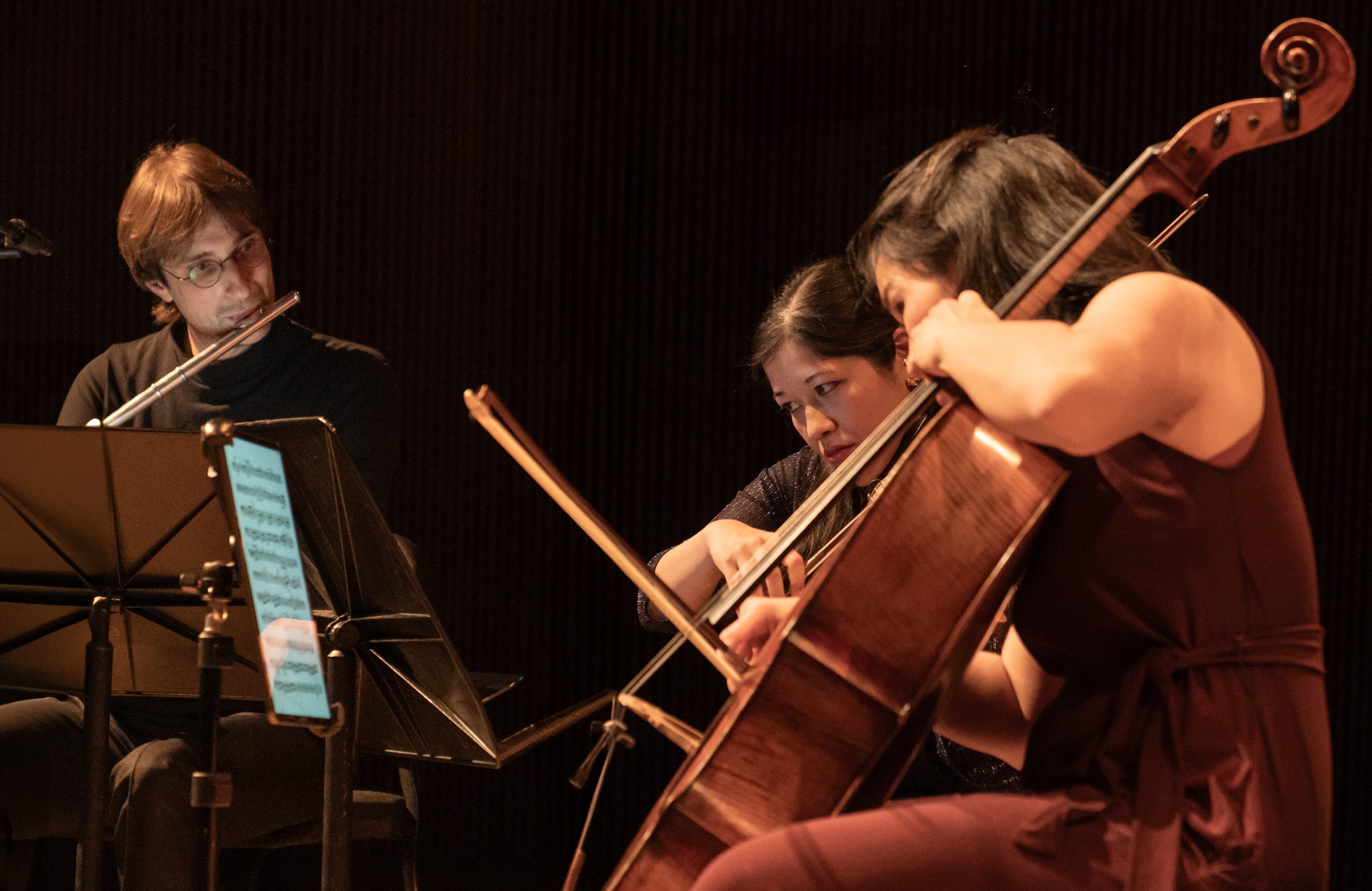
Two of these five pieces were written for a flute and three were not. Haydn's is one of the two: his London publisher John Bland called on him at Eszterháza in November 1789, and by the summer of 1790 Bland had three trios for flute, cello and piano in print - the flute because it was the instrument English amateurs actually owned. Haydn took them with him on his first journey to London. At a little over twenty minutes this one is also the longest work on the programme.
In the Mendelssohn the flute takes the violin's line. Mendelssohn finished the D minor Trio in September 1839 and then rewrote the entire piano part, having been told by Ferdinand Hiller that it was too plain; what came back was far more demanding, and it is the version everyone plays. Schumann reviewed it as "the master-trio of our time," ranking it with Beethoven and Schubert, and called Mendelssohn "the Mozart of the nineteenth century." The first two movements are heard here: the Molto allegro agitato and the Andante that follows it.
Copland is the other composer here who wrote for the flute, and he wrote it as a memorial. After the death of the Philadelphia flutist William Kincaid in 1967, seventy of his pupils and friends commissioned a piece in his memory; Copland finished the Duo in 1971, and Elaine Shaffer and Hephzibah Menuhin gave the premiere in Philadelphia on 3 October that year. Its three movements are marked Flowing, Poetic somewhat mournful, and Lively with bounce. The elegy for Kincaid is the middle one.
Dumky is the plural of dumka, a Ukrainian word for a lament of a captive people, and Dvořák wrote six of them, each turning between mourning and dancing. The first three run without a break, in effect one long opening movement; this programme takes the first two. Dvořák gave the premiere in Prague on 11 April 1891, then played the piece on a forty-concert farewell tour of Bohemia and Moravia before sailing for New York to direct the National Conservatory.
Ravel's Kaddisch was written for a voice, not an instrument at all. It opens the Deux mélodies hébraïques of 1914, both built on traditional Hebrew melodies, and the Kaddisch is the prayer for the dead: a long unaccompanied-sounding cantilena over a held pedal note. Alvina Alvi sang the first performance on 3 June 1914 with Ravel at the piano. He orchestrated the pair five years later. On a flute the line loses its words and keeps its shape.
Program
- Joseph HaydnPiano Trio in D major, Hob. XV:16 · for flute, cello & piano 21'
- Felix MendelssohnPiano Trio No. 1 in D minor, Op. 49 · movements I and II, for flute, cello & piano 15'
- Aaron CoplandDuo for Flute and Piano 14'
- Antonín DvořákDumky, Op. 90 · movements 1 and 2, for flute, cello & piano 10'
- Maurice RavelKaddisch · from Deux mélodies hébraïques, for flute & piano 4'
About CreArtBox
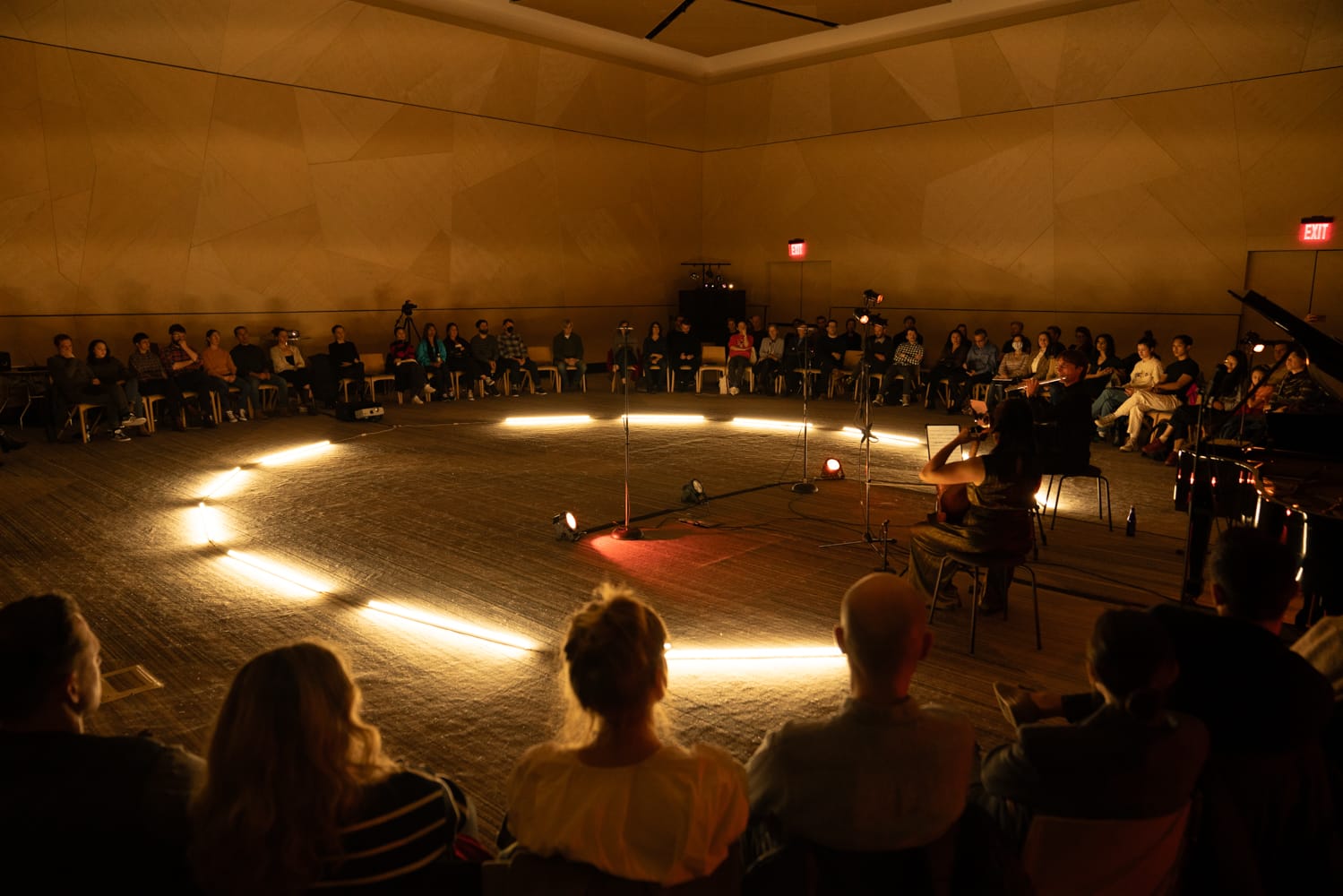
CreArtBox is a New York–based chamber music ensemble founded in 2013, performing at The DiMenna Center for Classical Music and on tour internationally. The ensemble's New York Series presents approximately six productions a year - combining commissioned premieres, reimagined classics, and collaborations with visual artists, filmmakers, and writers.
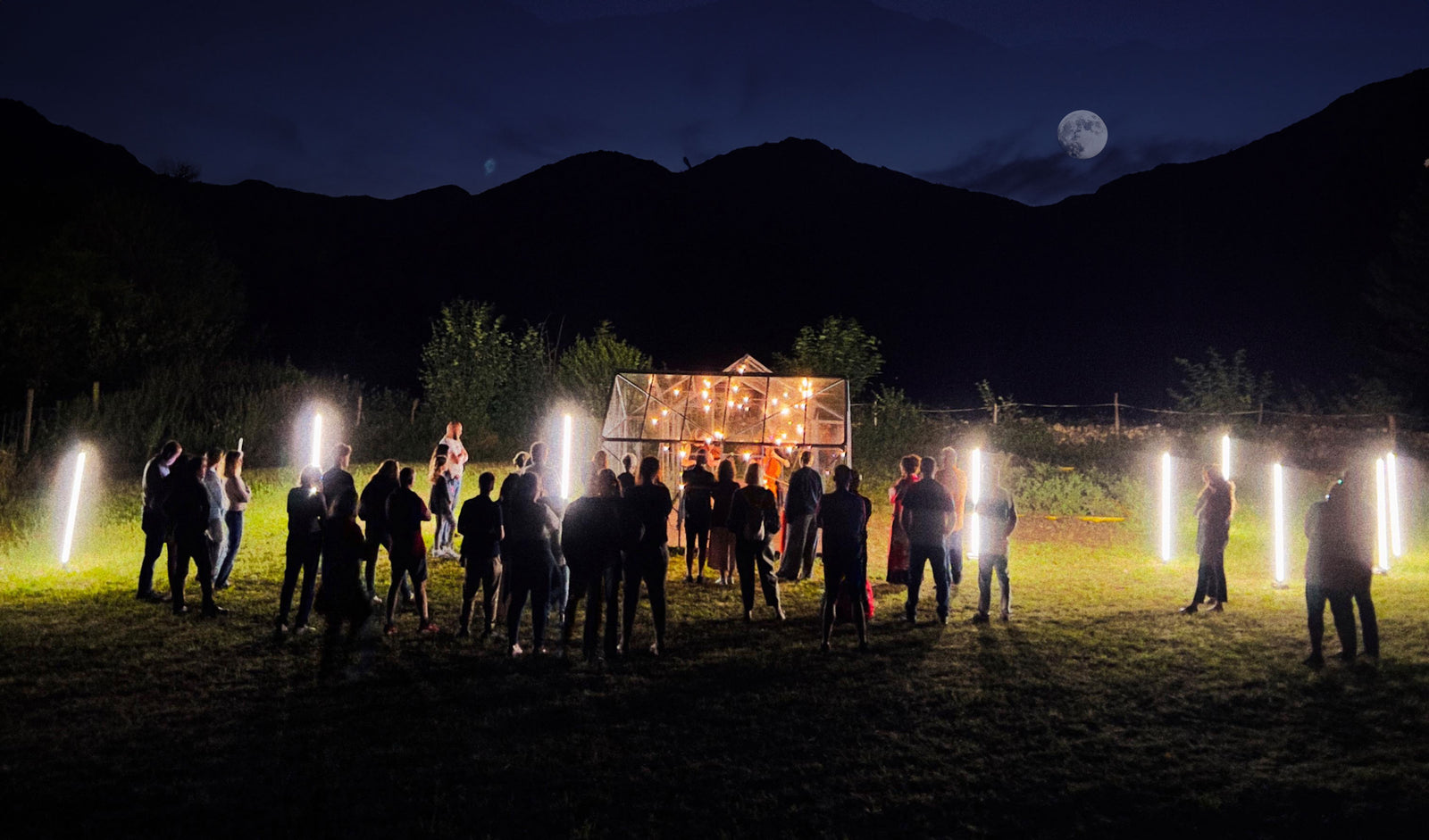
In parallel, CreArtBox runs Festival ADAR each August in rural Asturias, Spain - an international arts festival pairing chamber music with site-specific performance in churches, hórreos, and mountain villages. Both the New York Series and Festival ADAR are produced by CreArtBox, Inc., a 501(c)(3) non-profit.